June 12, 2026
Metal roofing stands as a robust solution for protecting homes from the wrath of harsh weather conditions. With the ever-changing climate patterns, having a reliable roof is more crucial than ever. Contractors play an essential role in the proper installation and maintenance of these roofs, ensuring optimum protection and longevity. This article delves into how metal roofing, bolstered by skilled contractors, serves as the frontline defense against environmental challenges. According to This Old House, 40% of homeowners reported that the reason they replaced their roofs was weather-related damage or disasters. From evaluating the right materials to employing advanced technology, a metal roofing contractor provides homeowners with peace of mind in stormy times.
Understanding the Basics of Metal Roofing
The Evolution of Metal Roofing
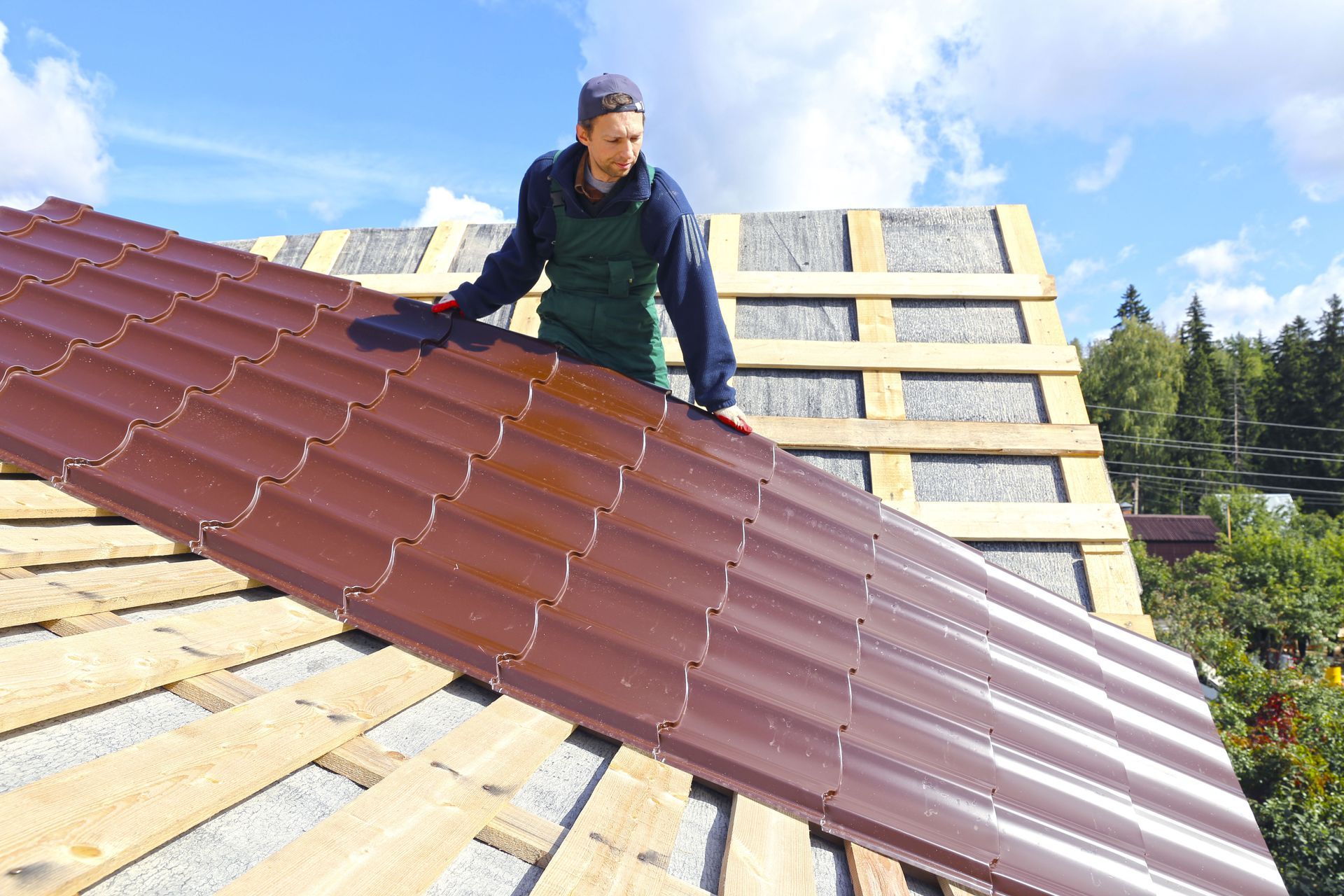
Metal roofing has a storied past, rooted in centuries of use for its durability and efficiency. Initially limited to industrial and agricultural settings, today's metal roofs have evolved into aesthetically appealing options for residential homes. Over time, advancements in technology and materials have enhanced the effectiveness and versatility of metal roofs. Innovations have allowed metal roofing to adapt to various architectural styles while maintaining its core strengths. This evolution highlights the increasing recognition of metal roofing as a premier option for weather protection.
The transformation of metal roofing reflects broader trends in construction and environmental awareness. As green building practices gain traction, metal roofing offers sustainable solutions with a long lifespan and recyclable materials. The evolution extends beyond material changes, incorporating streamlined installation techniques and more refined finishes. Contractors have played a pivotal role in guiding this transformation, bringing their expertise in aligning traditional methods with modern demands. The journey of metal roofing showcases its adaptability and enduring relevance in the face of evolving climatic threats.
Types of Metal Roofing Materials
Metal roofing offers a variety of materials, each with unique properties suited to different environments. Common options include steel, aluminum, copper, and zinc, each selected for specific advantages. Steel is known for its strength and durability, while aluminum offers corrosion resistance—ideal for coastal areas. Copper and zinc, although more expensive, provide unmatched longevity and a distinct aesthetic appeal. The choice of material often depends on factors like climate, budget, and desired visual effect, all guided by the metal roofing contractor's expertise.
In cold climates, steel roofs are particularly favored for their ability to withstand heavy snow loads, preventing structural damage. Aluminum's lightweight yet durable nature makes it suitable for areas prone to seismic activity, reducing strain on structural supports. Copper and zinc, while initially more costly, are often chosen for historic or high-end projects due to their unique patina over time. Each material offers specific benefits that, when expertly installed by contractors, tailor the roof to the home’s unique demands. The selection process is critical, emphasizing the metal roofing contractor's role in optimizing material choice for weather resilience.
Advantages of Metal Roofing
Metal roofing is renowned for its durability, often lasting two to three times longer than traditional roofing materials. This longevity translates into cost savings over time, with fewer replacement cycles required. Metal roofs stand resilient against extreme weather, from heavy rains to strong winds and hail, providing peace of mind to homeowners. Furthermore, the reflective properties of metal roofing contribute to energy efficiency by reducing heat absorption and lowering cooling costs. Such benefits position metal roofing as a compelling choice for those seeking long-term protection and economic efficiency.
Another significant advantage is the environmental impact, as metal roofs are often made from recycled materials and are themselves recyclable at the end of their lifespan. This sustainable cycle aligns with increasing eco-conscious consumer preferences, offering a roofing solution that conserves resources while delivering exceptional performance. Additionally, metal roofs require relatively low maintenance compared to their counterparts, freeing homeowners from frequent repairs. This characteristic not only saves money but also minimizes hassle and disruption. Collectively, these advantages underscore the superior value proposition of metal roofing.
The Role of Contractors in Roofing Design and Selection
Assessing Weather Conditions
One of the primary responsibilities of metal roofing contractors is to assess local weather conditions and analyze how they impact roofing choices. Understanding the specific threats in a geographic area allows contractors to tailor solutions that prioritize safety and longevity. A metal roofing contractor’s ability to identify factors such as wind speed, precipitation levels, and temperature fluctuations is crucial for planning and executing the best roofing strategy. With this knowledge, contractors ensure that the selected materials and designs can withstand the inevitable challenges posed by the local climate. This expertise is essential for ensuring the roof's integrity and protecting the homeowner’s investment.
The assessment of weather conditions involves more than simply observing current patterns; it also requires anticipating future changes and potential severe events. Contractors draw on historical data and meteorological forecasts to develop comprehensive profiles of environmental risks. By doing so, they can recommend proactive measures that bolster the roofing system's resilience against emerging threats. This forward-thinking approach is increasingly important as climate change alters established weather norms. Through diligent analysis, contractors play a pivotal role in bridging past and future considerations to safeguard homes effectively.
Choosing the Right Materials
Material selection is a critical step in the roofing process that requires careful consideration and expert guidance. Contractors leverage their industry knowledge and local weather assessments to advise clients on the best materials for their specific needs. The choice of metal roofing materials ranges from practical considerations, such as cost and durability, to aesthetic preferences. Contractors ensure that these factors align with the homeowner's priorities while maintaining structural integrity and weather resistance. This tailored approach results in roofing systems that provide optimal protection and satisfaction.
During the material selection process, contractors educate homeowners on the distinctive features and benefits of available options. Understanding these differences is crucial for making an informed decision that balances functionality with visual appeal. Contractors also prioritize material compatibility with existing structures, ensuring seamless integration and maximum performance. This attention to detail underscores the metal roofing contractor’s commitment to delivering roofing systems that meet the highest standards of quality and dependability. By serving as a trusted advisor, contractors empower homeowners to confidently invest in roofing materials suited to their specific circumstances.
Designing for Optimal Weather Protection
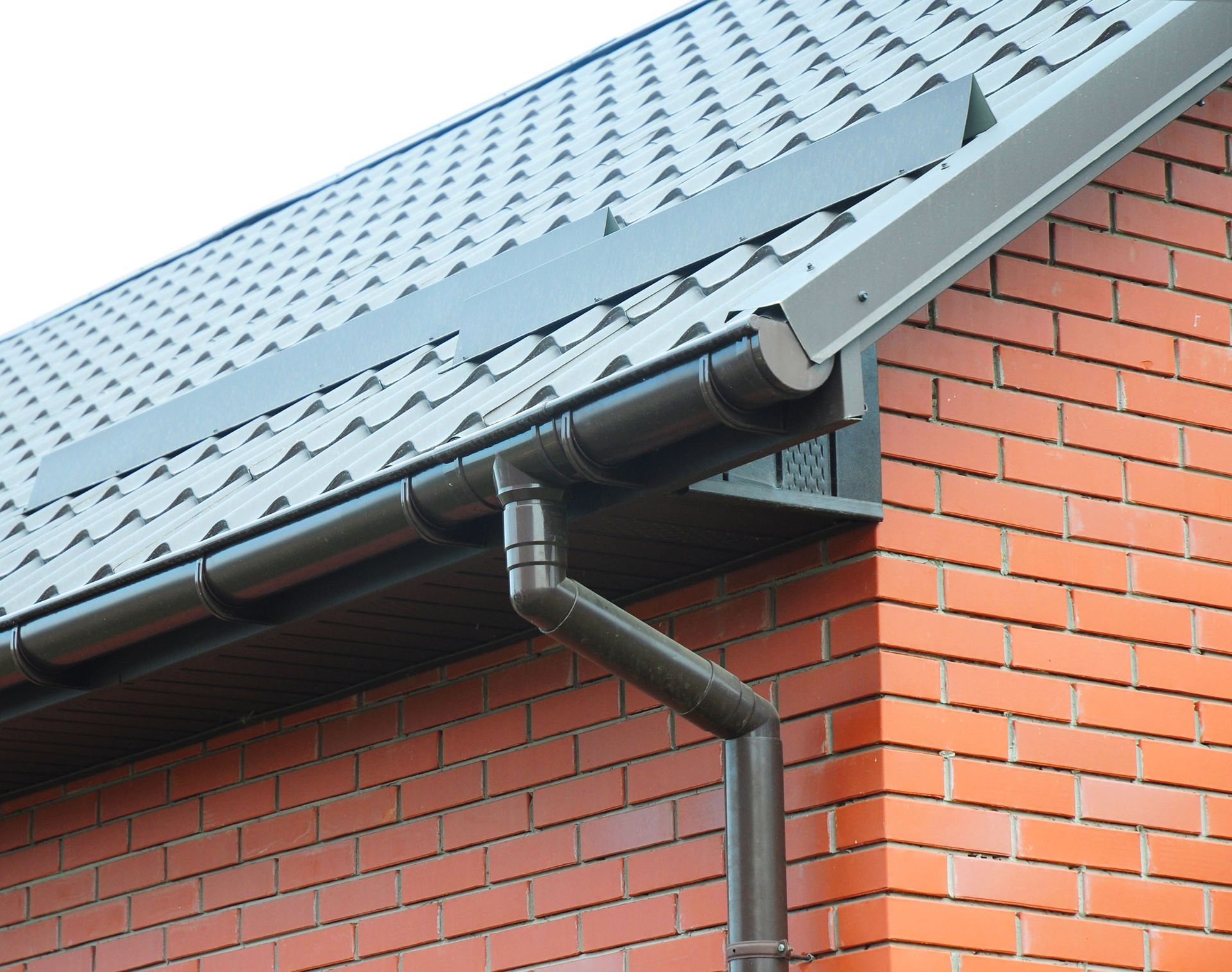
Effective metal roofing design involves more than choosing materials; it is about crafting a system tailored for specific weather challenges. Contractors bring critical insight into how contour, shape, and features enhance a roof's ability to fend off environmental threats. They draw upon industry expertise to recommend or design roofs that streamline water runoff, resist wind uplift, and manage thermal expansion. Employing advanced software simulations, contractors can visualize how a particular design performs under extreme weather scenarios. This proactive design approach ensures that every aspect of the roof contributes to its overall protective capacity.
A personalized design not only maximizes the metal roof's aesthetic appeal but also its practical functionality. A metal roofing contractor evaluates factors such as roof pitch, the orientation of the property, and seasonal weather patterns to craft a tailor-made roofing solution. Architectural elements like overhangs or parapets can further enhance weather protection, providing additional barriers against wind and rain intrusion. This comprehensive perspective reflects the intersection of art and science in roofing design. By considering diverse aspects, contractors deliver roofs that are not only visually striking but robust in performance.
Don't wait for the next severe storm to test your home's defenses—call Shankel Repairs, LLC today to partner with a premier metal roofing contractor.